
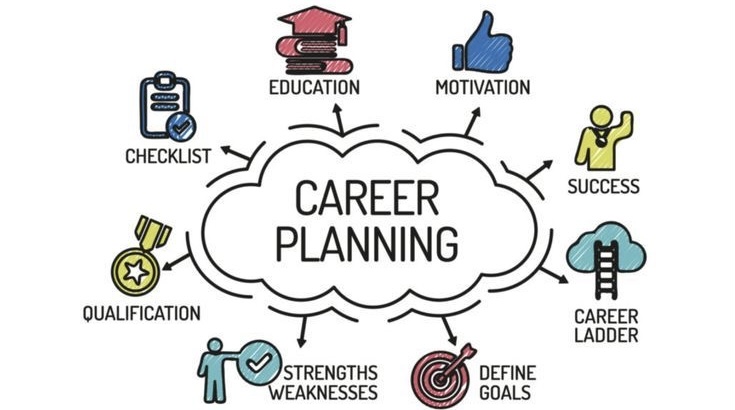
Career planning is an ongoing process of aligning your skills, values, and interests with the evolving job market to achieve long-term professional fulfillment. Having a fulfilling career provides you with feelings of accomplishment, confidence and pride. While finding the perfect career may come naturally to some, for most people it takes time and effort to discover the career path that’s right for them and careful planning to pursue and achieve their career goals.
Building a career with intention involves shifting from a passive approach to a strategic, proactive roadmap. A career plan is a human resources tool that enables you to better manage the development of your professional career. It’s like a base, a safety net when you start working. A well-thought-out and intentional career can easily lead to success if it is accompanied by motivation.
What is a career plan?
When you draw up a career plan, you define the broad outlines and stages you need to go through to get to the position you want. A career plan lists short- and long-term career goals and the actions you can take to achieve them. Career plans can help you make decisions about what classes to take, and identify the extracurricular activities, research, and internships that will make you a strong job candidate.
Here’s How To Build An Intentional Career Planning Process
· Define your career goals
Have you ever paused and asked yourself: what are your career goals and aspirations? Understanding what you want out of your career is an important first step. At the same time, it can be a little overwhelming. That’s why it’s a good idea to set SMART goals. SMART goals are; specific, this means Identifying your goal clearly and specifically, including what you want to achieve, and why. Measurable, setting clear criteria to determine and track your progress. Attainable, your goal should have a realistic chance of success. Relevant, making sure your career goal is important and relevant to you, and in line with other goals you have. Time bound, committing to a specific timeframe to achieve you goal. Keep in mind, there is a difference between career aspirations and career plans. Your career aspiration may be the long-term goal you are pursuing, while your career plan is your means of fulfilling your aspiration. Focusing on aspirations over plans at this first stage is an important way to develop your career.
· Self-assessment- Understanding your interests, skills, and values
The first and most crucial step in career planning is to know yourself. Without understanding who you are, what you enjoy, and where your strengths lie, it’s impossible to choose a career that suits you. Self-assessment involves evaluating your Interests, that is what activities or topics excite you? What do you enjoy doing in your free time? Your skills, what are your natural talents, and what abilities have you developed through education or experience? Your values, what principles are most important to you in your career? Is work-life balance a priority, or do you seek prestige or financial reward? Additionally, talking to mentors, peers, and counselors can provide valuable perspectives on your strengths and areas for growth.
· Exploring career options-Research and gather information
Once you have a clear understanding of your own characteristics, it’s time to explore various career options. Researching potential occupations, industries, and roles will help you match your skills, interests, and values with the right opportunities. The exploration stage involves researching industries, learning about the sectors that align with your skills and values. This could include fields like healthcare, technology, education, or creative arts. Identifying specific positions within the industry. For example, in healthcare, you might explore being a nurse, doctor, or medical researcher. Networking with professionals, individuals who are already working in the field. Use social platforms like LinkedIn or attend industry events to gather insights into what it’s like to work in various careers. Hands-on experience can provide a much clearer picture of a profession than just reading about it. Internships or job-shadowing can help you decide whether a career path is a good fit for you. The key here is to gather as much information as possible. This process might involve browsing job websites, reading industry reports, or talking to professionals who can give you a more realistic view of the work involved in specific roles.
· Education and skill development-Gaining qualifications
Once you’ve decided on a career direction and set your goals, you’ll need to acquire the necessary qualifications and skills. This may involve pursuing higher education. Many careers require a certain level of formal education, whether it’s a degree, diploma, or specialized certification. Identify the educational requirements of your desired career and start working towards them. There’s developing new skills, In addition to formal education, consider developing skills that are relevant to your career. This could include technical skills, soft skills like communication or leadership, or industry-specific certifications. Career planning doesn’t stop once you’ve completed your degree. Continuous learning through workshops, online courses, or conferences helps you stay up-to-date in your field and improve your employability. With the rapidly changing nature of the job market, it’s important to focus on both hard technical and soft interpersonal skills. By becoming a lifelong learner, you ensure your career remains adaptable and relevant, no matter what changes occur in your industry.
· Build an action plan
Finally, take a look at your career goals, options and career paths, and create a map for your professional future. This involves applying for jobs, internships, and entry-level positions, even if they aren’t your dream job. The aim is to gain experience and build a professional network that will support your career growth. Some strategies to take action includes having a well-crafted resume that highlights your skills, experiences, and achievements is crucial in the job market. Tailor your resume to fit the job role you’re applying for. Building a professional network, join professional organizations, attend job fairs, and connect with people who are already working in your chosen industry. Networking often leads to job opportunities that aren’t advertised publicly. Seeking internships and volunteer work. These provide hands-on experience and valuable exposure to the field you’re pursuing. Practice your interview skills, learn about the company you’re applying to, and be ready to articulate why you’re the best candidate for the position. Remember, your first job may not be your dream job, but it’s an important stepping stone that will help you gain the necessary skills and experience for your long-term career goals.
· Evaluate and adjust – Flexibility and adaptability
As you progress in your career, it’s essential to regularly evaluate your goals and progress. Career planning isn’t a static process, life circumstances change, industries evolve, and your personal interests may shift. You can stay adaptable by reassessing your goals. Every few years, take a step back and evaluate whether your career goals are still aligned with your values and interests. Seeking regular feedback from supervisors, mentors, and colleagues can help you improve your performance and guide you towards new opportunities. Embracing change. Don’t be afraid to switch careers or make adjustments to your professional trajectory. The job market is constantly evolving, and being open to change can lead to new, exciting opportunities.
Career planning is a journey that requires introspection, research, dedication, and continuous adjustment. A well-structured career plan will enable you to get off to a good start and find the right balance between your professional and personal life. Whatever stage of your career you find yourself in, effective career planning, which includes understanding your career goals and mapping out your path, can be a beacon in the complex journey of professional life and help you make the most of the opportunities available to you.
Remember that career planning is not a destination but a lifelong process that involves setting goals, acquiring the right skills, gaining experience, and staying adaptable to change.